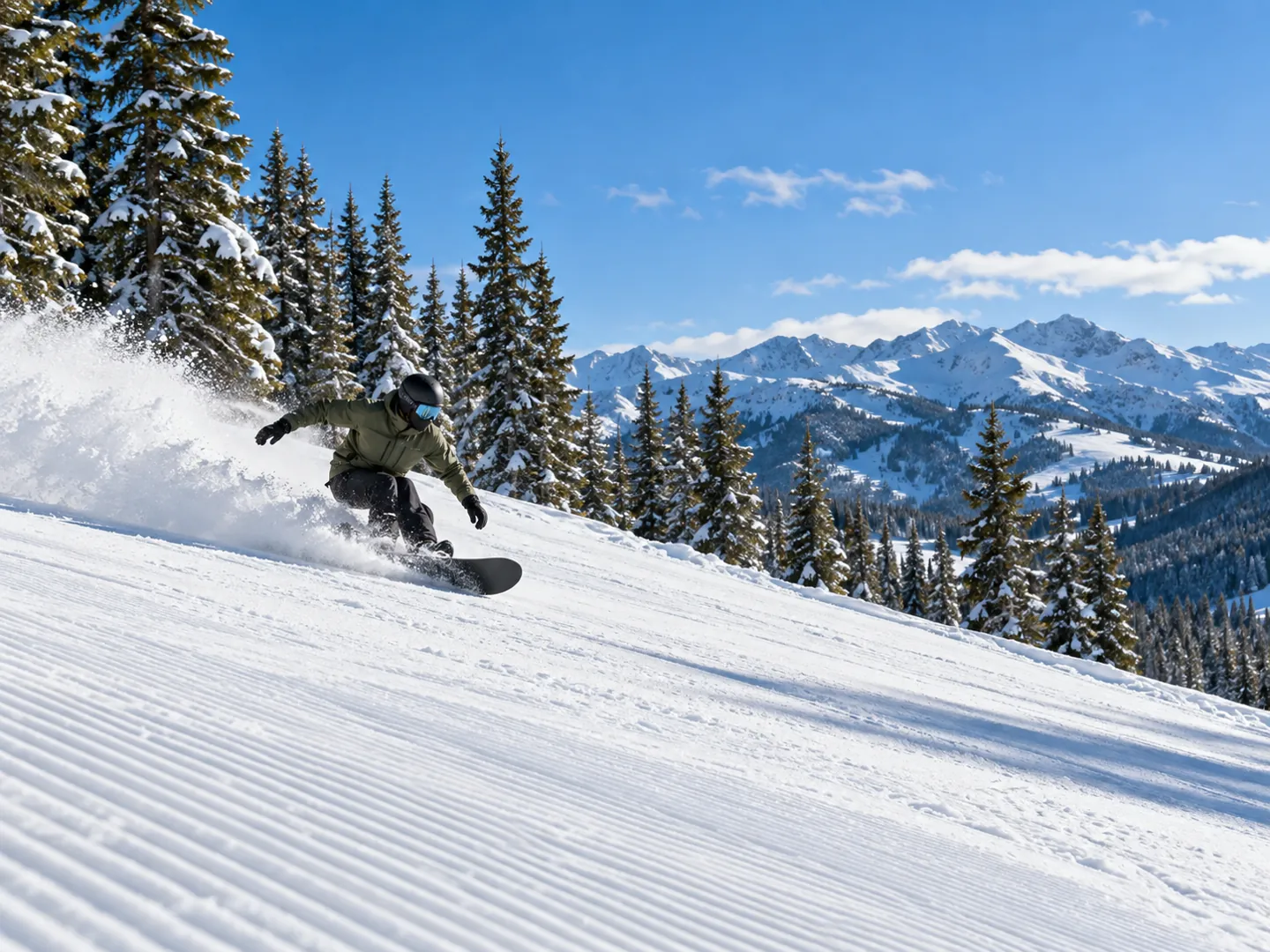
The research says it works: head injuries are markedly less likely with one. The standards behind the label are honest about the limit too: protection is designed for slower impacts than many of us actually ski at.
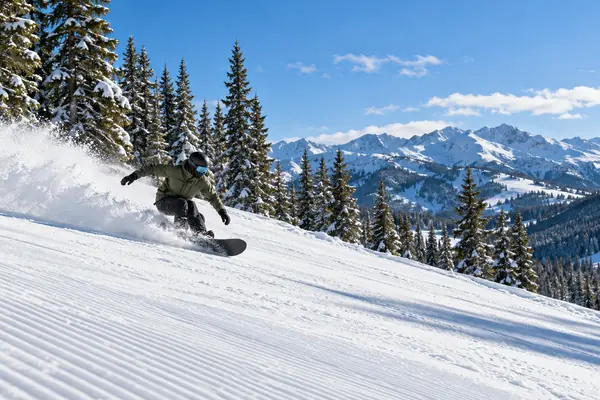
ASTM says a helmet meeting its standard helps at slower speeds and that its protection is limited. On-piste speeds measured in the US averaged about 35 km/h.
Pick a type of rider to see the average speed measured by radar on groomed US trails. The bar shows how fast that group travelled compared with the others.
Average speeds from 4,164 radar measurements; individual riders vary widely around these figures. General information, not safety or medical advice.
TWO NUMBERS WORTH KNOWING
Fewer head injuries, far more helmets.
One figure on what helmets prevent, one on how quickly they caught on.
≈ 35%
Lower risk of head injury with a helmet
A pooled analysis of studies in the Canadian Medical Association Journal found helmets reduced the risk of head injury by 35% (95% CI 21% to 46%) among skiers and snowboarders.
HEAD INJURY · CMAJ 2010
86%
Share of US skiers and riders in helmets, 2019/20
National Ski Areas Association data cited in a 2023 study show US helmet use rose from 28% in 2003/04 to 86% in 2019/20.
HELMET USE · US SKI AREAS
The same 2010 review found the protective effect among children under 13 too, and no link between helmets and more neck injuries. The authors could not study helmet fit or quality.
FOUR THINGS TO CHECK
Look inside the shell.
None of these needs new kit. They are about knowing what your helmet was tested for and keeping your speed where your skill is.
Find the standard
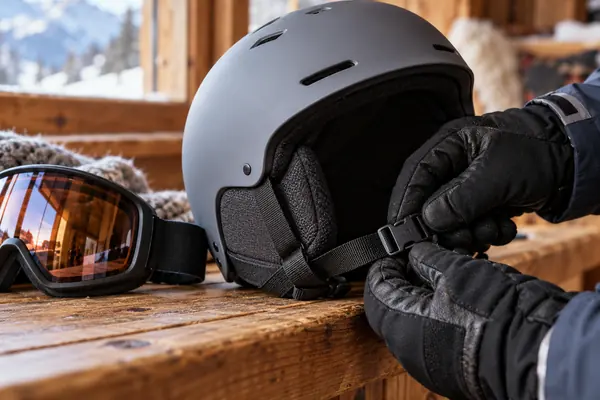
Look for EN 1077 (class A or B) or ASTM F2040 on the label inside. These are the snow sports helmet standards.
Fasten the strap
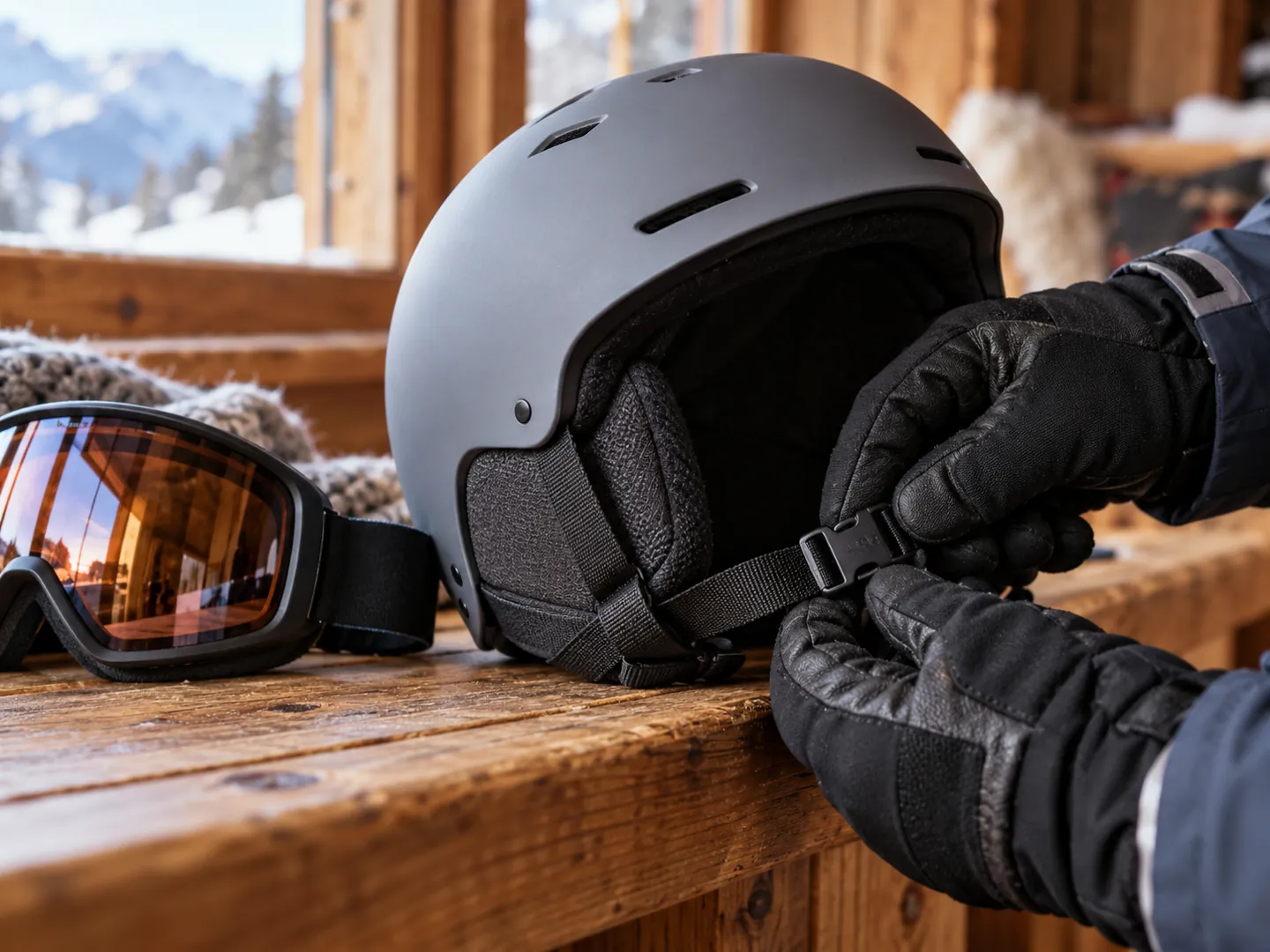
Both standards test the retention system. A strap left open cannot keep the helmet in place in a fall.
Match speed to ability
ASTM says riders are responsible for staying within their abilities and the snow conditions on the day.
Know the warning signs
After any knock to the head, the NHS lists symptoms that need 999 or NHS 111, including a hit to the head at high speed.
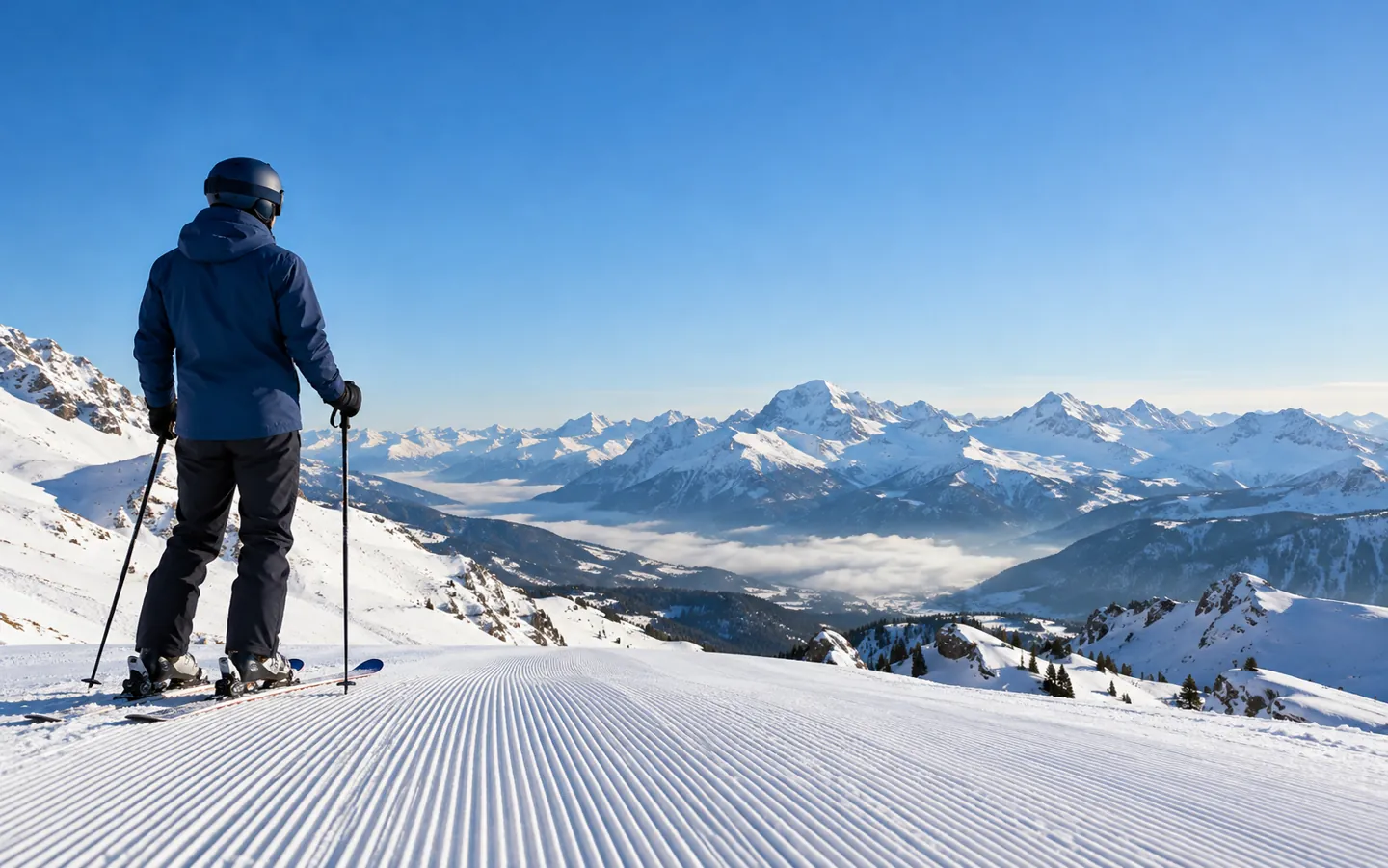
AI-generated image, not a photograph of a real person or place.AI-generated image, not a photograph of a real person or place.
WHAT THE LABEL MEANS
What a standard actually tests.
EN 1077 covers helmets for alpine skiers and snowboarders, including children and competitors, in two classes of protection, A and B. It sets requirements for construction and field of vision, shock absorption, resistance to penetration, the retention system, and marking.
The US standard ASTM F2040 tests helmets after hot, cold and wet conditioning, against flat, hemispherical and edge anvils, and checks they do not roll off the head. Its own scope says the protection is limited and works at slower speeds.
Questions
Questions people ask
Do ski helmets actually prevent head injuries?
The research says they reduce them. A 2010 meta-analysis in the Canadian Medical Association Journal found the risk of head injury was 35% lower with a helmet, and that 2 to 5 of every 10 head injuries among helmet users could be prevented.
Do helmets cause neck injuries?
The same review found no significant link between helmet use and neck injury, including in studies of children. This had been a concern because of the extra size and weight on the head.
What do EN 1077 class A and class B mean?
EN 1077 is the European standard for alpine ski and snowboard helmets. It defines two classes of protection, A and B, and tests construction, field of vision, shock absorption, penetration resistance, the strap system and marking.
Do people ski faster when they wear a helmet?
Evidence is mixed. A US study of 4,164 speed measurements found helmet wearers were faster overall, but mainly because more of them were advanced. After 2009/10, helmet wearers were 1.4 km/h slower on average.
What should I do after a fall where I hit my head?
Follow NHS guidance. It says to call 999 if someone hit their head at high speed or has symptoms such as being knocked out, and to contact NHS 111 for symptoms like vomiting or dizziness.